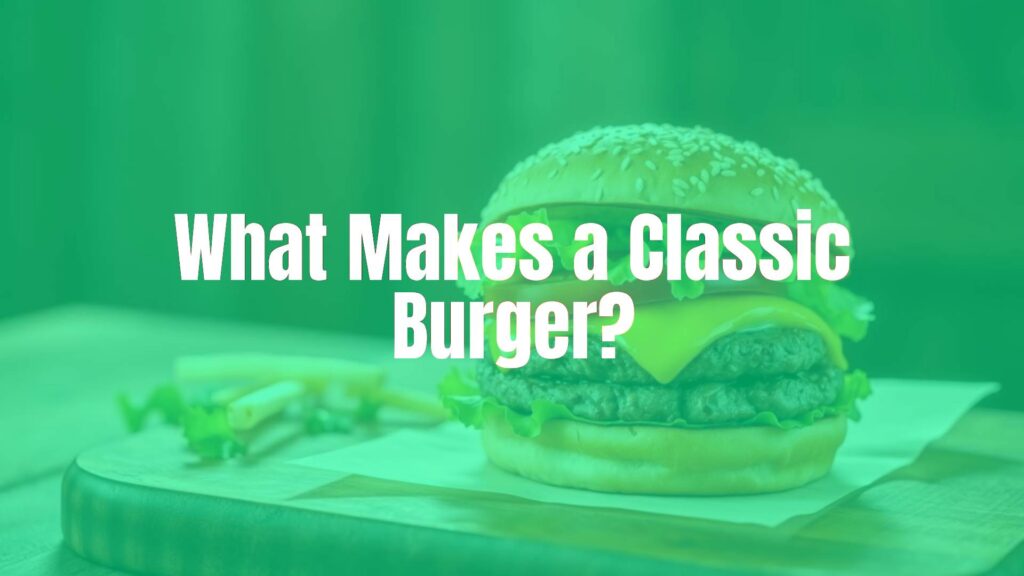
What makes a classic burger? Is it just a hamburger patty between two pieces of bread, or is there a certain mix of ingredients and methods that make it truly special? A classic burger stands out because of its comforting and familiar flavors, bringing people together at family cookouts or busy restaurants. It shows how simple, well-chosen ingredients and straightforward cooking can create a delicious meal that everyone enjoys.
What Is a Classic Burger?
A classic burger is a simple, timeless dish. It’s made of well-seasoned ground beef inside a soft burger bun, topped with a few fresh and basic additions. The secret is in using good ingredients and sticking to the basics. The classic burger isn’t about fancy extras or tricky recipes-it’s about getting the main parts right so every bite tastes just right.
Main Features of a Classic Burger
The staples of a classic burger are straightforward:
- Patty: Good-quality ground beef, often with about an 80/20 lean-to-fat mix, makes the burger juicy and flavorful. Most people keep seasoning simple with only salt and pepper, but light touches of garlic powder, onion powder, or Worcestershire sauce work well too.
- Bun: A classic burger bun should be soft but strong enough not to fall apart easily.
- Toppings: The basics are fresh lettuce, tomatoes, crisp onions, and tangy pickles. Cheese, usually American, is a popular extra many would not skip.
The way you cook it is important too, often grilling or pan-searing to get a nice outside crust and a juicy inside. The classic burger lets people pick how they like it cooked or which toppings to add, but always sticks to simple, fresh basics.
Where the Classic Burger Comes From
No one knows exactly who made the first hamburger, but it likely happened in the United States in the late 1800s or early 1900s. Over the years, what started as just a ground beef patty became the sandwich that’s now popular at diners, fast-food places, and backyard parties. The burger is a big part of American food history, known for being tasty, easy to carry, and affordable. Simple to make, it spread to many countries and now comes in all sorts of styles, though the classic version is still a favorite.
The burger is more than just something to eat-it’s a symbol of comfort and easy eating, a choice for quick meals or relaxed family dinners, found everywhere from street stands to high-end restaurants.
Ingredients for a Classic Burger
Making a great classic burger starts with choosing the right ingredients. Each part-meat, bun, toppings, and sauces-plays an important role in the taste and feel. Focusing on quality rather than lots of extras is the best way to get that perfect bite.
Choosing Ground Beef for the Patty
The beef is the main ingredient in a classic burger. Most people use an 80/20 mix of ground chuck, which means 80% meat and 20% fat. This mix keeps the burger juicy and flavorful. Using meat with less fat can make the burger dry; too much fat can make it greasy. Always pick fresh, bright red ground beef for the best outcome. Some people even grind their own beef to control texture and fat.
Burger Buns: Options and Advice
The bun is just as important as the patty:
- Brioche buns are rich and slightly sweet.
- Sesame seed buns offer a bit of nutty taste and classic texture.
- Potato buns are soft and have a small amount of sweetness.
No matter which you pick, toasting the bun-on the grill, in a pan, or under the broiler-will help it stay crisp and stop it from getting soggy.
Basic Toppings
The traditional toppings are simple:
- Lettuce (iceberg or romaine) for crunch
- Tomato for juice and a bit of tang
- Onions for a little bite (you can soak them in water to make them milder)
- Dill pickles for a sharp, salty flavor
These choices add crunch, freshness, and just enough tang to balance the beef and cheese.
Classic Burger Sauce Choices
Some people use only ketchup and mustard, but many like to make a “special sauce” by mixing mayonnaise, ketchup, and some mustard, sometimes with a bit of chopped pickles or garlic powder. This kind of sauce is creamy and tangy and pulls everything together. You can also use plain mayo or just ketchup and mustard, depending on what tastes best to you.
Cheese Selections
Cheeseburgers win over many burger fans. American cheese is the old standby because it melts evenly and adds a creamy, salty flavor without taking over. Some prefer cheddar (sharper flavor), Swiss (nutty), or provolone (milder). The most important thing is to use a cheese that melts well and works with the beef. Add it to the burger near the end of cooking so it melts perfectly.
Classic Burger Cooking Equipment
You don’t need fancy tools, but using the right ones can make the job easier and help you get the best results.
Using a Grill or a Skillet
You can cook burgers on a grill for a smoky flavor and nice grill marks (medium-high heat, 375-400°F, with oiled grates), or in a hot pan (cast iron works well) for a deep, even crust. Both ways work-pick what you like better or what you have on hand.
More Helpful Tools
Other tools can make burger-making easier:
- A large mixing bowl for combining the meat and seasonings
- A sturdy spatula for flipping burgers
- Wax paper, to shape patties and keep them from sticking together before cooking
- A burger press, for making even patties
- A meat thermometer, to check if your burgers are cooked to your liking
- Separate utensils for raw and cooked meat to stay safe
Simple Steps for Making a Classic Burger
Shaping and Seasoning the Patty
Start with your ground beef in a large bowl. Add other ingredients (like a beaten egg, breadcrumbs, or Worcestershire sauce) if you wish, but mix gently-too much mixing makes the burger tough. Make patties slightly larger than your buns (they’ll shrink when cooking), and press a small indent in the middle of each to help them cook flat. Sprinkle salt and pepper just before they go on the heat.
Cooking Tips and Best Practices
Heat your grill or pan to medium-high and oil it. Cook the patties for 3-5 minutes on each side, depending on how thick they are and how well done you want them. Don’t press down on the burgers with the spatula-this pushes out the juices. Only flip once, and add cheese after the first flip so it melts in the last few minutes. Let the burgers rest a few minutes before you eat to keep it juicy.
How to Put the Burger Together
Toast your buns lightly. Spread mayo, ketchup, mustard, or special sauce on them. Place the burger patty on the bottom bun (cheese side up if you’ve added cheese), then stack on the lettuce, tomato, onion, and pickles. Top with the other half of the bun and serve right away. Enjoy!
Classic Burger Topping Choices
Picking the right toppings is part of making the burger your own, but some combinations are popular for a reason. The best toppings add different textures and flavors that work with the beef patty instead of hiding it.
- Lettuce: Crunchy and cool
- Tomato: Juicy and tart-sweet
- Onion: Sharp taste (soak if you want them milder)
- Dill Pickle: Salty and tangy for contrast
- Cheese: Usually American or cheddar, if desired
These basics keep things balanced and highlight the meat.
Tips for the Best Classic Burger
If you want your burger to be as tasty as possible, remember these practical tips.
- Use beef with enough fat (80/20 blend) for juiciness
- Don’t handle or mix the meat too much-keep it light
- Don’t press on the burgers while they cook
- Let cooked burgers rest before eating so juices stay inside
Also, season with salt just before cooking, not earlier, to avoid a dry burger. Try to keep patties at a medium thickness, and make sure your grill or pan is hot enough before you start. Only flip burgers once during cooking for best results.
Classic Burger Nutrition Facts
A classic burger can fit into most diets if you pay attention to what goes in it. Here’s a look at average nutrition for a basic burger (without heavy sauces or cheese):
| Nutrient | Amount (approx.) |
|---|---|
| Calories | 350-570 kcal |
| Protein | 34-43 g |
| Fat (Saturated) | 11-36 g (5-13 g) |
| Carbohydrates | 15-25 g |
| Cholesterol | 121-148 mg |
| Sodium | 336-815 mg |
| Potassium | 686-769 mg |
| Fiber | 1-2 g |
Your burger will also provide smaller amounts of iron, calcium, Vitamin A, and Vitamin C. Adding cheese or extra sauce will raise the calories and fat.
Making a Healthier Classic Burger
If you want a lighter version, try these easy changes:
- Pick leaner ground beef, or use ground turkey or chicken (though taste will change).
- Make smaller patties to cut calories and fat.
- Use whole wheat buns, or swap in large lettuce leaves instead of bread.
- Add more vegetables and use less sauce, or pick mustard or light mayo.
- Go without cheese, or use a thin slice of lower-fat cheese.
- Grill burgers to let some fat drip away.
Serving Ideas for Classic Burgers
Classic burgers taste even better with good side dishes:
- French fries: The best-loved choice for a salty, crisp contrast.
- Potato chips: Quick and crunchy.
- Salads: A simple green salad with vinaigrette, or creamy macaroni or potato salad.
- Corn on the cob: Sweet and soft, especially in summer.
- Watermelon or fruit salad: Bright and sweet to finish the meal.
Classic Burger FAQ
What is the best ground beef for classic burgers?
An 80/20 ground chuck blend (80% lean, 20% fat) is the top choice. It’s juicy without being greasy and keeps the burger full of flavor. Leaner blends can make the burger dry, while higher fat can make it too oily.
How can I stop my burgers from falling apart?
- Use cold ground beef-it’s firmer and sticks together better.
- Mix the meat gently and don’t overdo it.
- If needed, add a beaten egg or a small handful of breadcrumbs to help bind the patty, especially for leaner meat blends.
- Press the patties together evenly but not too tightly.
- Let them cook on one side without moving them until it’s time to flip.
Can you make burgers ahead of time or freeze them?
- Ahead of time: Shape patties up to two days before cooking. Don’t salt until just before cooking. Put them between pieces of wax paper and keep them in the fridge, covered tightly.
- Freezing: Stack uncooked patties (without seasoning) between wax paper, seal in a freezer bag, and freeze for up to three months. Thaw in the fridge overnight, then season and cook when ready.