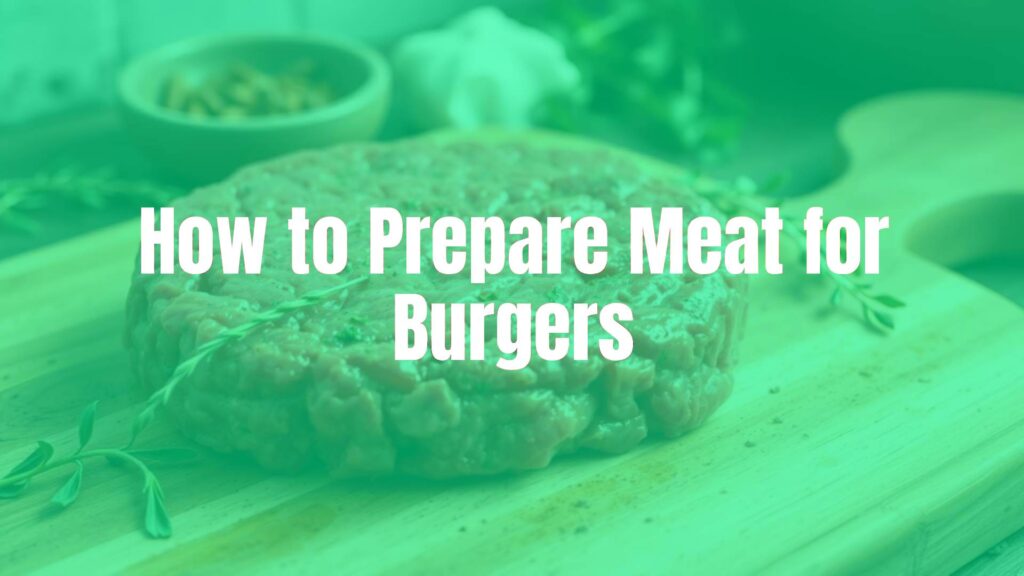
Getting meat ready for burgers is a simple but important process that turns ground meat into delicious, juicy patties. The secret to tasty burgers starts long before the meat ever hits the grill or pan. From picking the best type and fat content to handling, shaping, and seasoning the meat correctly, each step is important if you want to cook burgers like those from a restaurant. Here’s a clear guide to help you make great burgers at home.

What Meat Is Best for Burgers?
The kind of meat you pick will affect the burger’s taste, juiciness, and texture. Most people use ground beef, but there are also other good options if you want to try something different.
Ground Beef Grades and Fat Ratios
Ground beef is the most popular choice for burgers. The fat content makes a big difference. The best beef for burgers is usually 80% lean and 20% fat (labeled 80/20). This mixture gives burgers enough fat to keep them moist and flavorful, but not so much that they are greasy. The fat melts as it cooks, making the burger juicy and tender. While you can use 85% lean meat, don’t go leaner than 90% because these can make your burgers dry and crumbly.
Other Meats: Turkey, Chicken, and Plant-Based Choices
If you want something lighter or do not eat beef, ground turkey and chicken are also options. Since these have less fat, they can dry out easily, so you might want to add things like chopped vegetables, herbs, or olive oil to keep them moist. For vegetarians and vegans, there are lots of plant-based options, like black bean or mushroom patties, or other meat-free products. You can prepare these just like regular burger patties, being gentle when mixing and adding enough seasoning to boost their flavor.

Freshly Ground or Pre-Packaged Meat?
Choosing between freshly ground meat or store-bought packaged meat can matter. Meat that’s been freshly ground at a local butcher is usually fresher and gives you better control over its grind and type. This meat also isn’t packed as tightly, which leads to a more tender burger. Store-bought ground beef is easier to find but you may not know when it was ground. If you go with packaged meat, choose a package that looks bright and not too tightly packed.
How to Choose the Right Burger Meat
Picking the right meat at the store is the first step to making a great burger. Here’s what to look for:
Best Cuts for Ground Beef: Chuck, Brisket, and Others
Ground chuck is one of the top choices because it has a good amount of fat and beefy flavor. An 80/20 ratio is just right with ground chuck for juicy burgers. Brisket is another cut some people like, as it has a rich taste and enough fat for good results. Some burgers use a mix of different cuts for a unique flavor. Always choose cuts with enough fat spread through the meat, as this is key for taste and juiciness.
Why Fat Makes Burgers Juicy and Flavorful
Fat is a main reason why burgers taste good and stay juicy. As burgers cook, the fat melts and covers the meat, giving it a soft feel and carrying beef flavors. Meat that is too lean can be dry and bland. Aim for 80/20 meat to keep burgers from drying out.
How Freshness Affects Your Burger
Fresh meat is important for a better-tasting burger with a good texture. Fresh ground beef is usually less packed and has a nice red color. Store-bought ground meat can be more compact, which might make the burgers tougher after cooking. Always try to buy the freshest meat you can for the best results.
How to Handle and Store Burger Meat
How you treat your meat before cooking affects both safety and how your burgers turn out.
Keep Meat Cold to Avoid Bacteria
Keep ground meat cold from the store to the kitchen to reduce the chance of germs. Ground beef should be kept in the fridge and touched as little as possible with warm hands or left out of the fridge. Cold fat in the meat is best for forming nice patties. If you’re grinding meat yourself, make sure the grinder parts and the meat are cold. Once you’ve made patties, put them back in the fridge if you aren’t cooking them right away.
How to Thaw Frozen Burger Meat
If you use frozen meat, you need to thaw it right to keep it safe to eat. Do not thaw at room temperature. The safest way is to leave it in the fridge until it is soft, which can take a few hours or overnight. For a quicker method, put the sealed meat package in cold water and change the water every 30 minutes. Never use warm water. Once thawed, cook the meat within a day or two.

How to Store Burger Patties
To store raw burger patties in the fridge, place parchment paper between each patty and store them in a closed container or wrap tightly in plastic. They keep for one to two days. For longer storage, freeze them between sheets of parchment in a freezer-safe bag or container for up to one month. Cooked patties last about three days in the fridge or three months in the freezer.
Preparing the Meat for Burger Patties
After choosing and storing your meat, the next step is forming your patties. Here’s how to do it right:
Portion and Weigh for Even Cooking
For burgers that cook evenly, make sure the patties are all the same size. Most home burgers use about 1/3 pound (about 5 ounces) of meat for each patty, but 1/4 pound can work too. A kitchen scale can help you get this right every time.
How to Form Burger Patties
Shape the meat into a flat, round disk a little bigger than your burger bun, because the patty will shrink while cooking. To stop the center from puffing up, press a small indent in the middle with your thumb. The patty should be slightly thinner in the center than on the edges.

Don’t Overwork the Meat
Mix and handle the meat as little as possible. Overhandling causes the meat to become tough and chewy. Only mix the meat until everything is just combined and press it lightly into shape.
Should You Add Eggs or Breadcrumbs?
Most classic beef burgers do not need eggs or breadcrumbs. The fat in the meat is enough to keep the burgers together and juicy. Some cooks add eggs or breadcrumbs to turkey or chicken burgers, or very lean beef, to help keep them from falling apart or drying out. If you do add them, use just a small amount and mix gently.
When and How to Season Burger Meat
Seasoning is one of the final steps, and getting the timing right is important. The best way to season a burger is to add salt and pepper to the outside of the patties right before you cook them. If you add salt too early or mix it into the meat, it can cause the burgers to become dry and tough.
Classic Burger Seasonings
Salt and fresh black pepper are usually all you need. Use kosher salt if you have it, as it’s easy to sprinkle evenly. You can add garlic powder, onion powder, or Worcestershire sauce for extra flavor if you want, but don’t use too much so you don’t hide the taste of the meat.

Mix-ins Like Cheese, Onions, and Herbs
While many prefer to add things like cheese, onions, or herbs on top after cooking, you can gently mix them into the meat if you like. Make sure to chop any add-ins small and mix them in lightly to avoid making the meat too dense. Some ideas are grated cheese, finely chopped onion, or dried herbs.
Common Mistakes When Getting Burger Meat Ready
| Mistake | What Happens | How to Avoid |
|---|---|---|
| Using too lean meat | Patties are dry and not tasty | Use meat with at least 20% fat |
| Overmixing or over-packing meat | Burgers are tough and do not fall apart nicely | Mix gently and shape lightly |
| Salting meat too early | Patties can get dry and rubbery | Salt the outside just before cooking |
Burger Meat Prep: FAQs
- Should you press a dimple in the patty?
Yes, especially for thick burgers. A small dip in the center helps the patties cook evenly and stay flat, fitting the bun perfectly. - Can you prepare burger meat ahead of time?
Yes, you can. Store raw patties in the fridge for one or two days, separated by paper and wrapped well. For longer storage, freeze them and thaw in the fridge before cooking. - What’s the safe temperature for cooked burgers?
Hamburger meat should be cooked to at least 160°F (71°C) inside to make sure it’s safe to eat. This kills germs that can make you sick.
