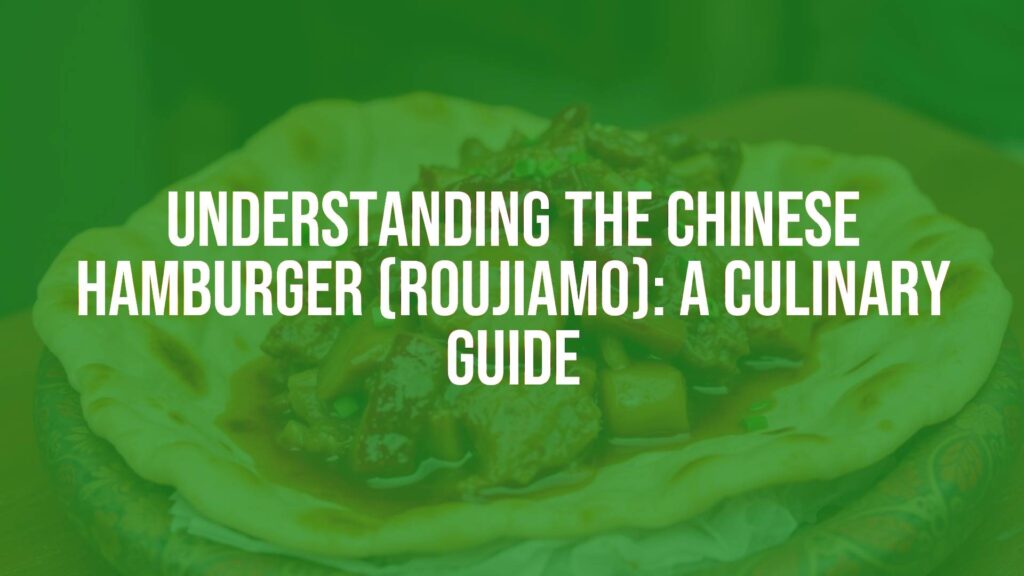
Introduction to the Chinese Hamburger (Roujiamo)
The Chinese hamburger, known as Roujiamo (肉夺麦), is a beloved street food originating from the Shaanxi province. Though it’s often likened to a Western hamburger for its format, Roujiamo is distinctly Chinese, with roots thought to date back thousands of years. It features tender, flavorful meat stuffed into a crispy, chewy flatbread, delivering a satisfying combination of textures and rich, aromatic tastes unique to Chinese cuisine.
Main Ingredients of Roujiamo
The essence of the Chinese hamburger lies in its simplicity: succulent braised meat, typically pork, sandwiched within a special Chinese bread. Flavors come from long, slow-cooked aromatics and spices, while the bread provides a satisfying contrast to the juicy filling. Optionally, fresh herbs or chilis can be included for added depth.
The Patty: Braised Meat as the Heart of Roujiamo
Unlike Western burgers, Roujiamo does not feature a formed patty but instead stars shredded or chopped meat. The classic version uses pork belly, slow-braised with spices like star anise, cinnamon, Sichuan peppercorns, and soy sauce until meltingly tender. Other authentic varieties use beef or lamb, especially in Muslim-influenced regions, leveraging the same rich braising technique for full flavor.
Buns: The Magic of Mo
Roujiamo is traditionally served in a bread called mo, a dense, unleavened flatbread with a crisp crust and chewy interior. Sometimes compared to an English muffin but denser, this bread is baked on a clay oven or griddle, giving it a rustic, slightly smoky bite. Freshness and texture are crucial—the mo should be aromatic, sturdy enough to absorb juices, and hold its shape without being dry.
Toppings: Classic and Contemporary Additions
While the original Roujiamo is all about the slow-braised meat, modern versions may include fresh cilantro, chili oil, cucumber, or pickled vegetables for brightness and crunch. Classic versions remain minimal, letting the meat’s flavor shine, but street vendors sometimes let guests customize with local herbs or spicy condiments.
Sauces: Enhancing the Flavors
The bold, aromatic flavors in Roujiamo come primarily from the braising liquid, which soaks into the bread. Some variations feature a light drizzle of chili oil or a splash of extra soy-braise sauce to amp up umami and complexity. Additional sauces are generally optional, as too much moisture can make the sandwich unwieldy.
Cooking and Preparation: The Keys to a Great Chinese Hamburger
Braising the Meat
Long, slow cooking is essential. The meat is simmered with a blend of soy sauce, Shaoxing wine, sugar, and whole spices, then chopped or shredded. The resulting meat should be juicy and intensely flavored, so use well-marbled cuts or, for leaner meats, retain some braising liquid to prevent dryness.
Perfecting the Mo
Making mo bread requires practice. Knead the dough until smooth and let it rest to develop flavor. Cook on a skillet or clay oven for best results; the exterior should develop a crust while the inside stays soft. Store-bought flatbreads can be substituted in a pinch, but homemade mo is unparalleled for authenticity.
Preparation Tips
Chop or shred the braised meat finely for easy stuffing and even distribution. If the meat appears dry, mix in a spoonful of braising liquid. For the mo, slice horizontally two-thirds of the way through to create a pocket; don’t cut all the way, keeping juices neatly contained.
Cooking Methods: Bringing Everything Together
Braise the meat on the stovetop or in a slow cooker for deep flavor. Bread can be made in a heavy skillet or griddle, flipping for even browning. Assemble while both components are warm for the freshest experience.
Tips for Success
- Use fresh, high-quality meat: Pork belly delivers classic richness, but beef or lamb works equally well if braised until tender.
- Balance bread and filling: Overstuffing can lead to a soggy or messy sandwich—a generous but manageable portion showcases the meat and preserves structure.
- Serve immediately: Roujiamo tastes best when both components are hot and freshly assembled.
- Customize thoughtfully: Add herbs or condiments conservatively to enhance without overwhelming the traditional flavor profile.
Serving Suggestions & Variations
Roujiamo is often enjoyed as a quick meal or snack. Serve it with a side of pickled vegetables, a light soup, or a refreshing cucumber salad to round out the meal. Vegetarian versions substitute braised mushrooms or tofu skin for meat. Regional variations, like the spicy beef Roujiamo from Muslim Chinese kitchens, reflect the dish’s adaptability and broad appeal.
Nutritional Profile
The Chinese hamburger offers a balance of protein from the meat, carbohydrates from the mo, and, when leaner cuts are used, can be relatively low in fat. The sandwich can be high in sodium due to the soy-based braise, but adding fresh vegetables or opting for leaner fillings can enhance its nutritional value. Homemade mo allows for control over ingredients and reduced oil, if desired.
